Unlocking the Secrets: The Unknown Science of Polynucleotides in Skin Rejuvenation

When it comes to skincare, the quest for effective methods to rejuvenate skin is always underway. Recently, polynucleotides have surfaced as a promising option for those aiming to revive their skin’s youthful glow. This post delves into the fascinating science behind polynucleotides and their significant role in skin rejuvenation, shedding light on how they can enhance skincare therapies.
What Are Polynucleotides?
Polynucleotides are long chains composed of nucleotide units, essential for cellular processes. These chains are found in both DNA and RNA and play a critical role in the storage and transfer of genetic information. Research has increasingly spotlighted their potential in skin regeneration, particularly through injections or topical applications.
The magic of polynucleotides in skincare lies in their ability to ramp up cellular activities vital for maintaining skin health. As we age, our skin's natural ability to repair and regenerate diminishes. This decline can lead to various skin concerns, such as wrinkles, fine lines, and reduced elasticity. That's where polynucleotides step in, offering a new strategy for combating these changes.
How Do Polynucleotides Promote Skin Rejuvenation?
Polynucleotides boost skin rejuvenation through several key mechanisms:
Cellular Repair
Studies reveal that polynucleotides significantly enhance the skin's natural repair processes. When applied or injected, they encourage cell growth and tissue regeneration, leading to increased production of collagen and elastin—two proteins that keep skin firm and elastic. For example, a study found that patients receiving polynucleotide injections saw a 64% increase in collagen production within three months.
Hydration Improvement
An often-overlooked advantage of polynucleotides is their ability to improve skin hydration. They enhance the moisture retention capabilities of fibroblasts, contributing to increased skin hydration levels. As a result, skin becomes plumper and appears more youthful. A clinical trial indicated that participants using polynucleotide-infused products experienced a 30% increase in hydration levels in just four weeks.
Anti-inflammatory Effects
Inflammation can accelerate skin aging, causing issues like redness and uneven texture. Polynucleotides possess strong anti-inflammatory properties that help reduce inflammation, resulting in a healthier complexion and a more uniform skin tone.
Stimulation of Growth Factors
Polynucleotides have been shown to trigger the release of growth factors critical for cellular communication and repair. By improving the availability of these growth factors, polynucleotides enhance the skin rejuvenation process, leading to smoother texture and improved firmness.
Applications of Polynucleotides in Skincare
Polynucleotides are utilized in various forms within the skincare industry, mainly through injectable treatments, though topical options are also gaining popularity.
Injectable Treatments
Injectable polynucleotide treatments are increasingly favored by aesthetic practitioners. These involve the targeted injection of polynucleotides directly into trouble spots on the skin. User-reported benefits include:
Notable improvements in skin elasticity
Visible reduction in fine lines and wrinkles
Enhanced overall skin hydration
Results from these treatments typically develop gradually and can last anywhere from six months to a year, making them an attractive option for individuals seeking non-invasive solutions.
Topical Applications
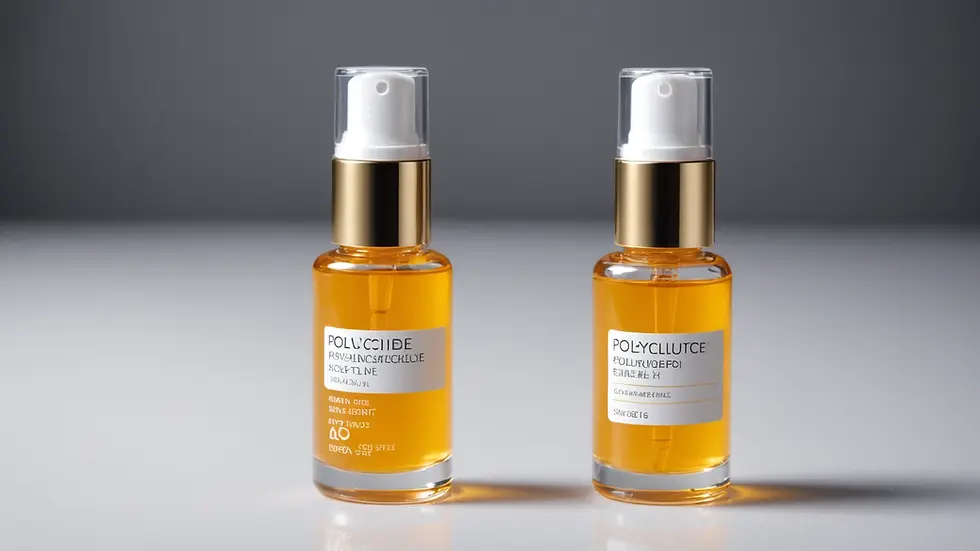
In addition to injectables, polynucleotides are making their way into topical formulations such as creams and serums. These products aim to replicate the benefits of their injectable counterparts. Regular use of polynucleotide-infused skincare products can gradually contribute to better skin health over time, with many users reporting visible improvements after eight weeks of consistent application.
Safety and Considerations
Though polynucleotide treatments are generally safe, consulting with a qualified skincare professional before any procedure is crucial. Every person's skin is unique, and individualized assessments are important for optimal outcomes.
Moreover, it's essential to select products and practitioners with solid reputations. Look for positive user reviews and credentials to minimize the risks of side effects and ensure satisfaction with results.
Future Research and Trends
Interest in polynucleotides continues to flourish, fueling ongoing research that aims to explore broader applications in skincare and dermatology. Future studies might investigate various formulations and delivery methods or examine synergy with other active ingredients to maximize effectiveness.
As natural derivatives gain popularity, incorporating elements like polynucleotides into everyday skincare could become the norm, rather than an exception.
Embracing Innovation in Skincare
Polynucleotides represent an exciting breakthrough in skin rejuvenation. Their multifaceted benefits, from enhancing cellular repair to boosting hydration levels, position them as a significant player in modern skincare. As our understanding and application of polynucleotides continue to grow, they promise to be a cornerstone of next-generation skincare solutions.
For those curious about skincare science, keeping up with innovative ingredients like polynucleotides is essential for making informed choices. As research progresses, embracing these advancements could lead to revitalized and youthful-looking skin.
When considering polynucleotide treatments, it’s advisable to consult skincare experts who can provide personalized advice based on individual skin needs. The path to refreshed skin may very well hinge on these extraordinary molecules—unlocking rejuvenation could be just a treatment away.


Comments